Pearls of Music Theater
The program broadcasts the best performances of famous operas, ballets, musicals, and operettas, presenting their plots and the history of their creation. Before each act, the corresponding part of libretto is read, which makes the listening experience more vivid and comprehensible.
- Author of the program: Inessa Khachatryan
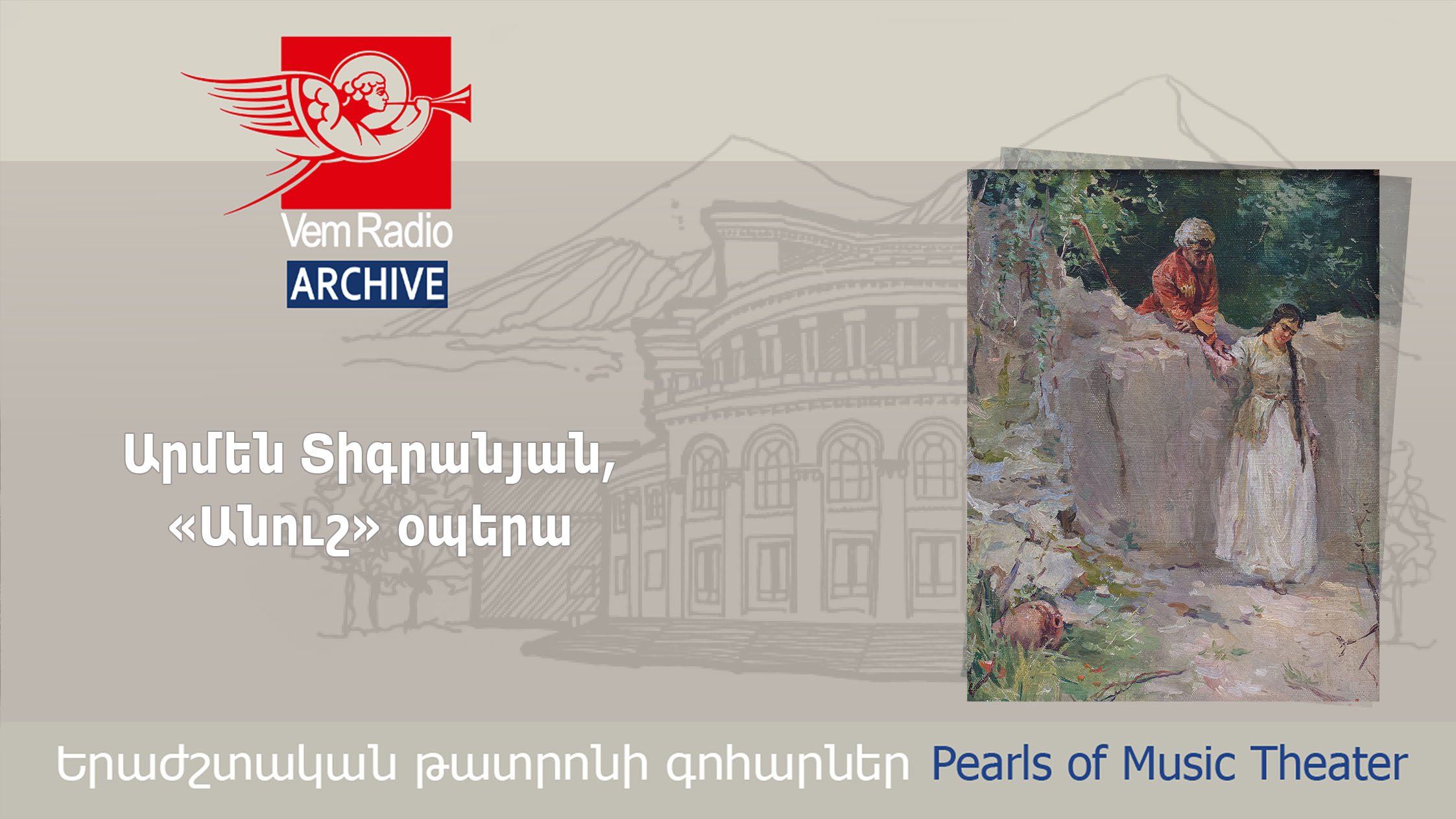
Armen Tigranyan, Opera Anush
Specialists consider the opera Anush as the first Armenian national opera. It was premiered in 1912 in Alexandropol by the efforts of an amateur troupe, but the melodies that sounded in the opera spread quickly among people and became very popular. The opera is based on the poem „Anush“ by Hovhannes Tumanyan, and the libretto was authored by the composer himself. Soon many arias, duets and choral songs of the opera Anush began to sound on the radio, TV, and concert scenes as brilliant concert samples.
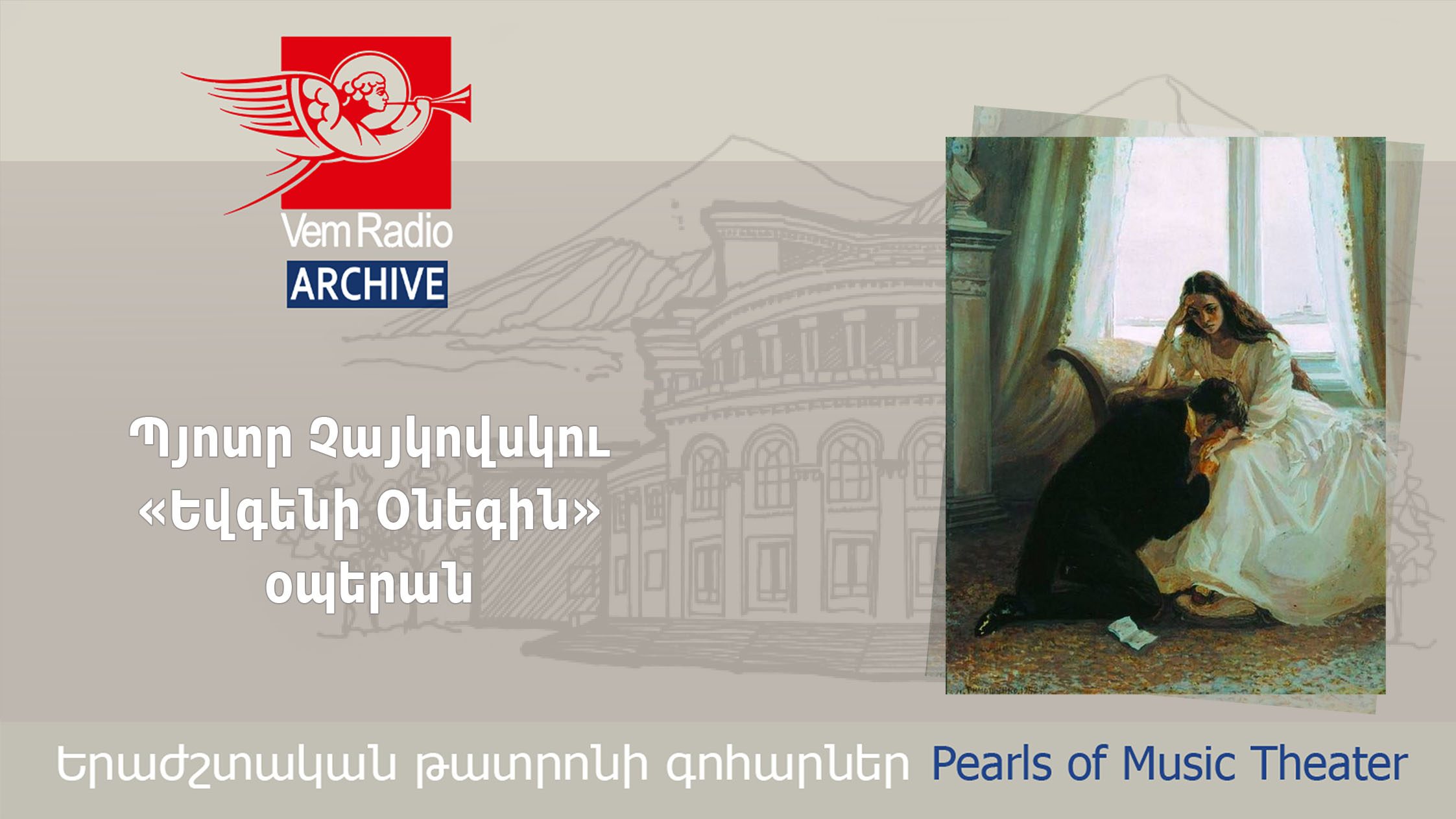
P. Tchaikovsky, Eugene Onegin
The broadcast presents Tchaikovsky's opera Eugene Onegin, written on the basis of Alexander Pushkin's poem of the same name. The plot of this work is simple and well-known to many: it's centered around a love story. Tchaikovsky called his opera "Lyrical Scenes." It presents the fate of Tatyana Larina, a daughter of a modest aristocratic family living in a village. The characters are revealed in the opera through lyrical and dramatic arias, recitatives and duets, while the chorus of girls gathering berries describes the village life of that time.
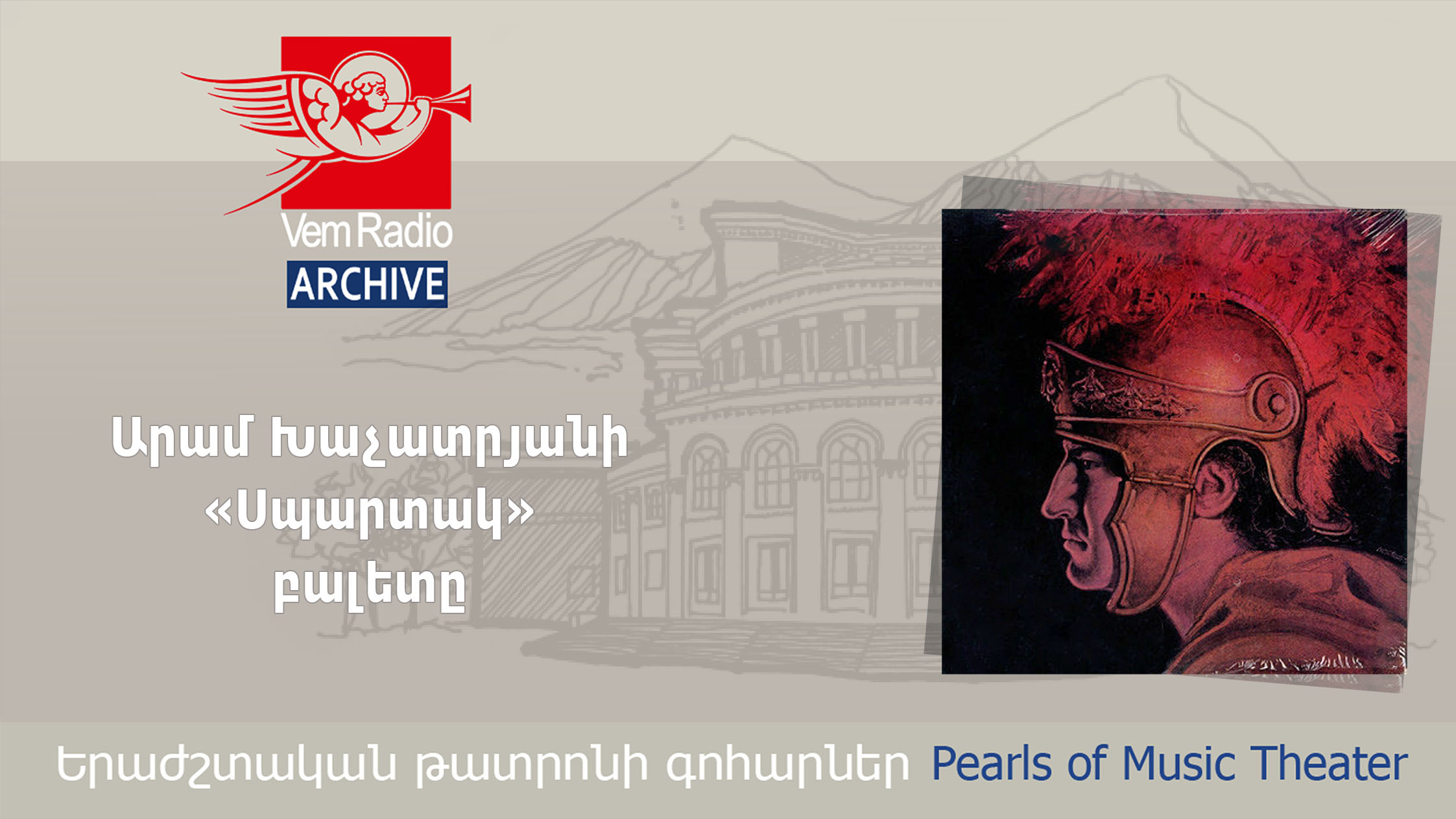
Aram Khachaturian, Spartacus
The broadcast presents Khachaturian's ballet Spartacus, which describes the events of the uprising of slaves in 74-71 BCE in Ancient Rome, under the leadership of the Thracian Spartacus. In the basis of the libretto of this monumental work lies the idea of the universal human struggle for freedom. The moral beauty of Spartacus, his rich inner world and high aspirations are opposed to the violence towards the suppressed and to characters that embody cruelty.
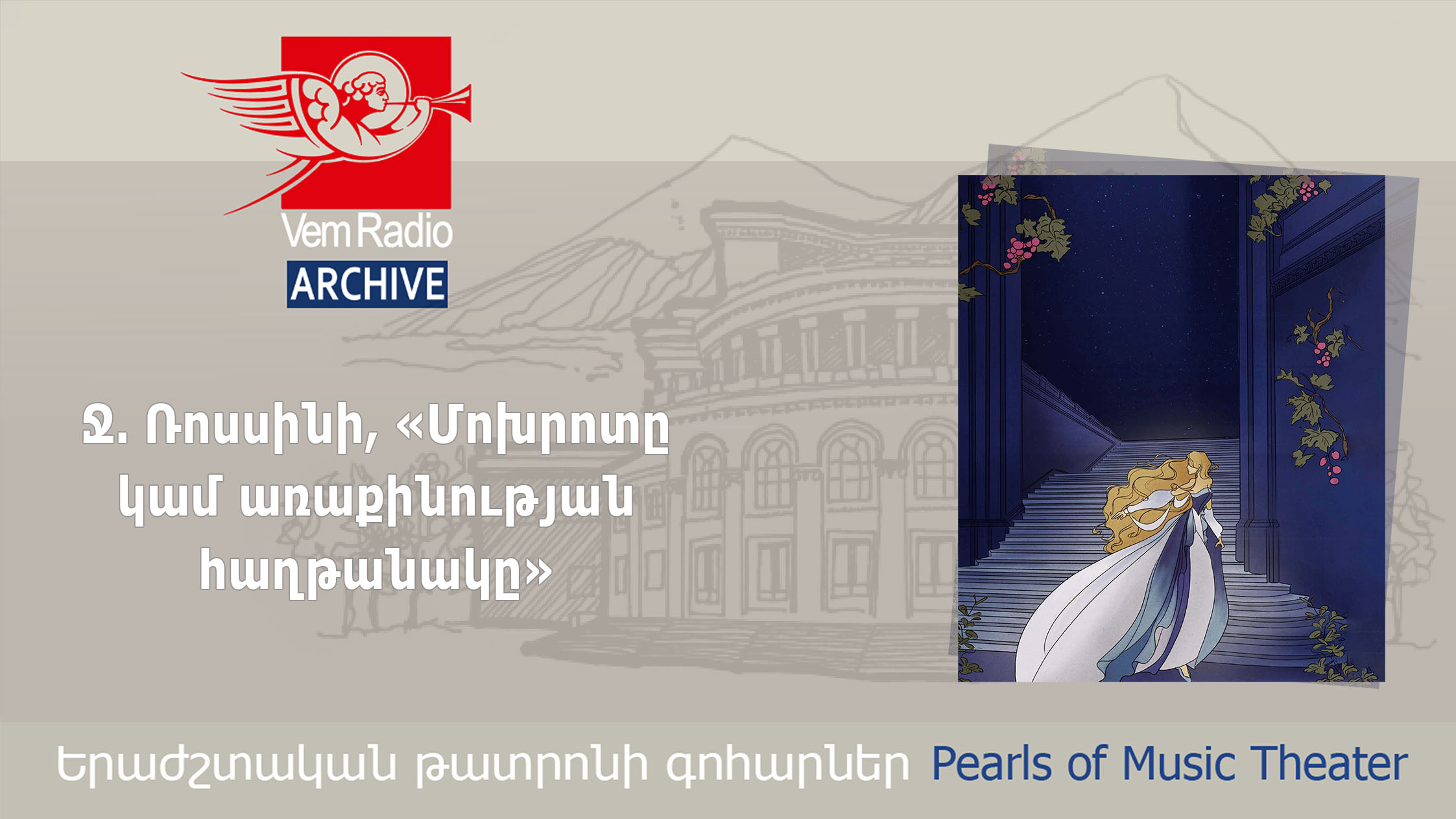
Gioachino Rossini, Cinderella
The broadcast presents Rossini's opera Cinderella, or Goodness Triumphant created on the basis of the fairy-tale Cinderella that is well known among both children and adults. The Italian libretto of the opera was written by Jacopo Ferretti. In the first part of the broadcast, you can listen to the first part of the first act of the opera.