Wis. 14:1-8, Isa. 33:22-34:1, 1 Cor. 1:18-24, Mt. 24:27-36
24/10/2026
Readings From the Church Fathers
St. Athanasius the Great, From the Treatise on the Incarnation of the Word and on the Holy Trinity
24/10/2026
The Day in the Liturgical Calendar
Prov. 11:2-11, Isa. 31:3-7, Heb. 13:7-9, Jn. 16:33-17:8
23/10/2026
The sacrifice and Abraham's faith. Abraham's spiritual heritage. With the coming of Christ, humanity was given the grace of adoption. The fulfiller of prayer is the Spirit. The relationship between the Law and the faith.
Speaker: Fr. Mesrop Aramian
Host: Araks Poghosyan
23/10/2026
Readings From the Church Fathers
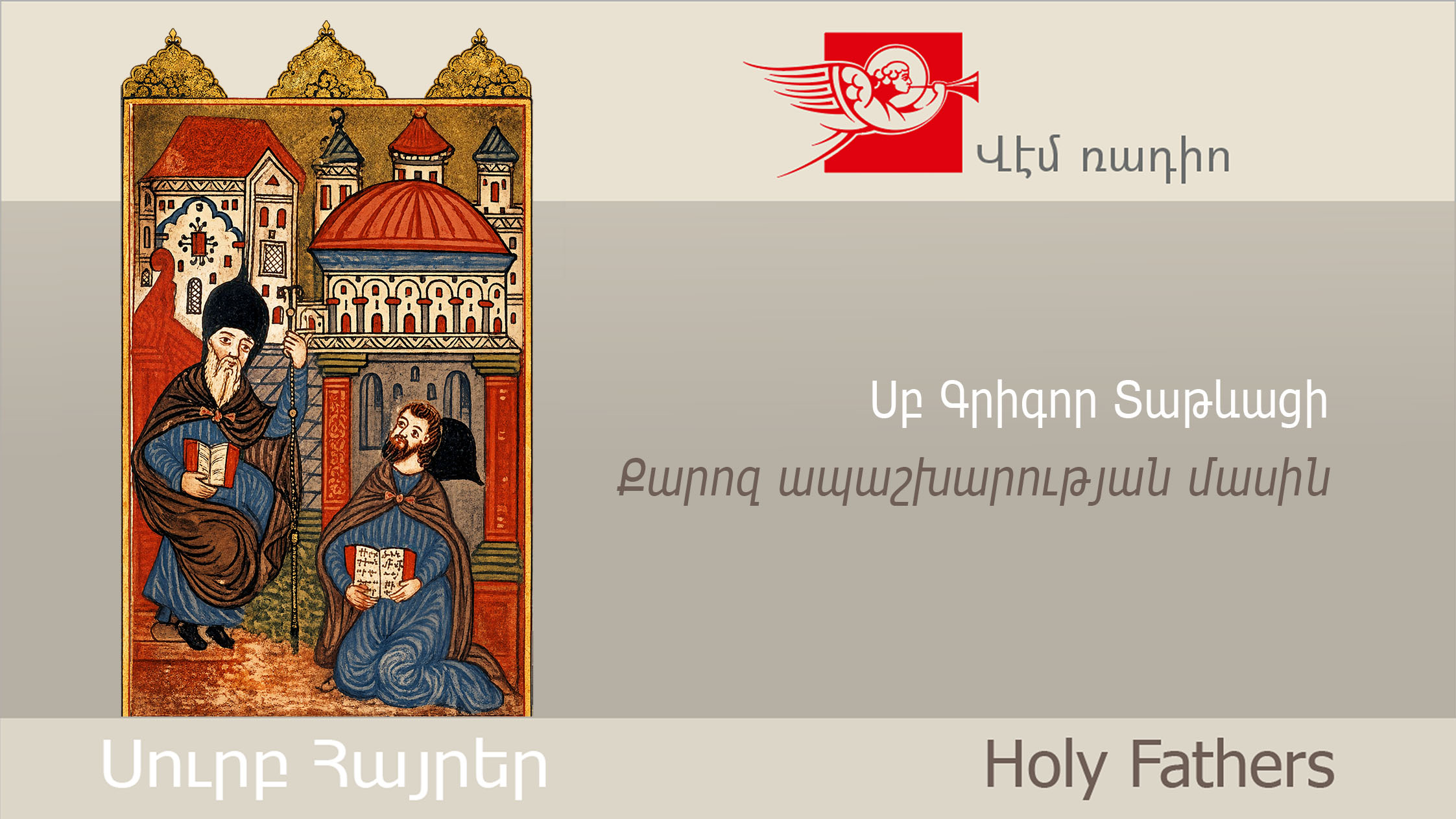
St. Gregory of Tathev, Homily on Repentance
23/10/2026
The Day in the Liturgical Calendar
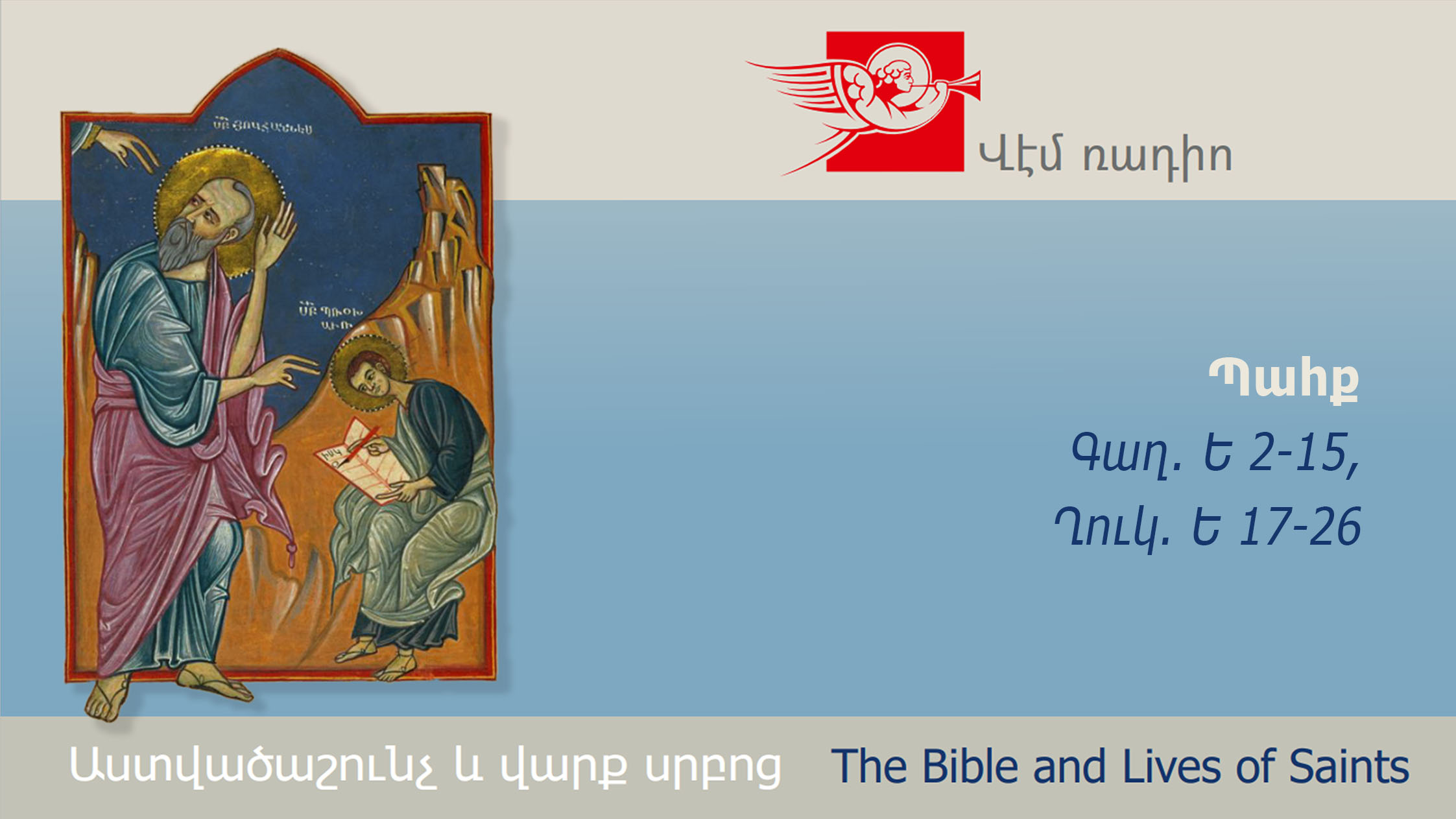
Gal. 5:2-15, Lk. 5:17-26
Programs
The history behind the creation of great musical masterpieces.
The evolution of music and the creation of musical instruments.
The history of classical and folk dances.
Remarkable writers of the 20th century and their most famous works.
The literary paths taken by modern Armenian writers, and their literary achievements
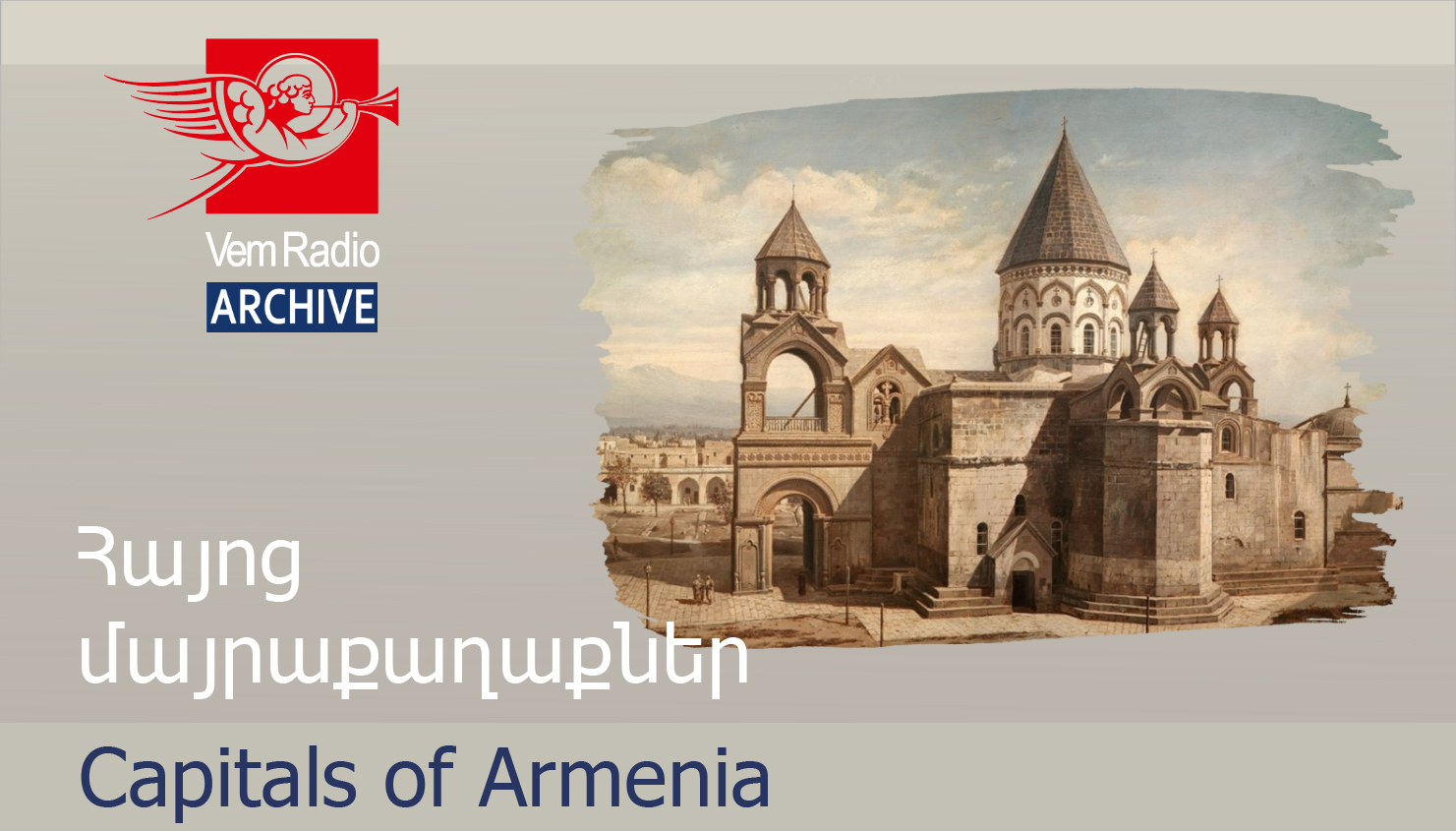
“Capital Cities of Armenia” by Sergey Vardanyan.
The show presents the masterpieces of classics in performance of distinguished musicians, as well as provides comprehensive information about the lives and works of composers and performers, their role and influence on further development of...
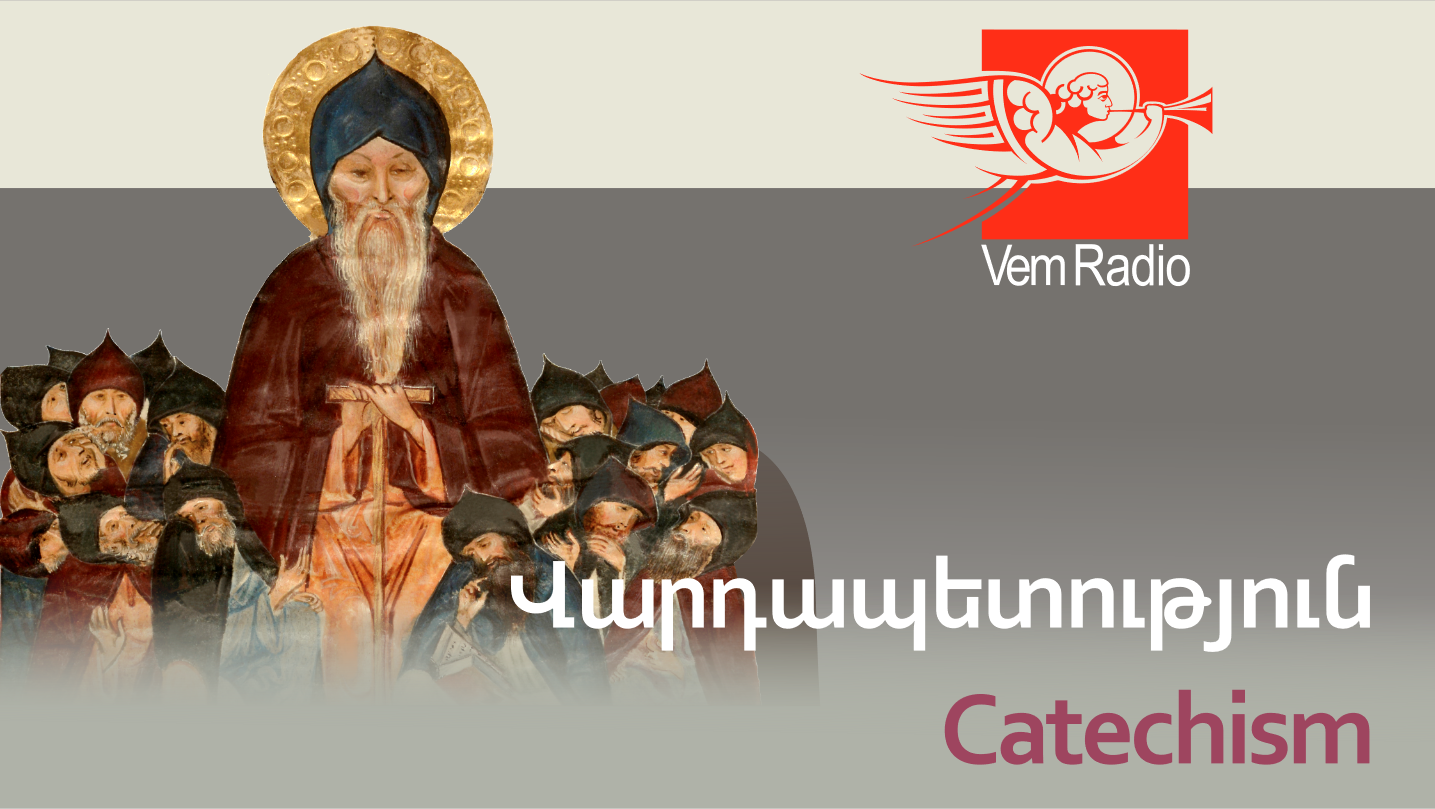
This program gives detailed instructions on the principles of Christianity. How are the basic tenets and teachings of the Armenian Apostolic Orthodox Church interrelated with the Christian faith? What are the sources of our doctrine, the sacred traditions
Every day something happens to little Nerses: despair, anger, joy, surprise, frustration... And whenever he needs help, the angel of God appears and tells him a story. The stories from the Bible help little Nerses to understand what happens to him and...
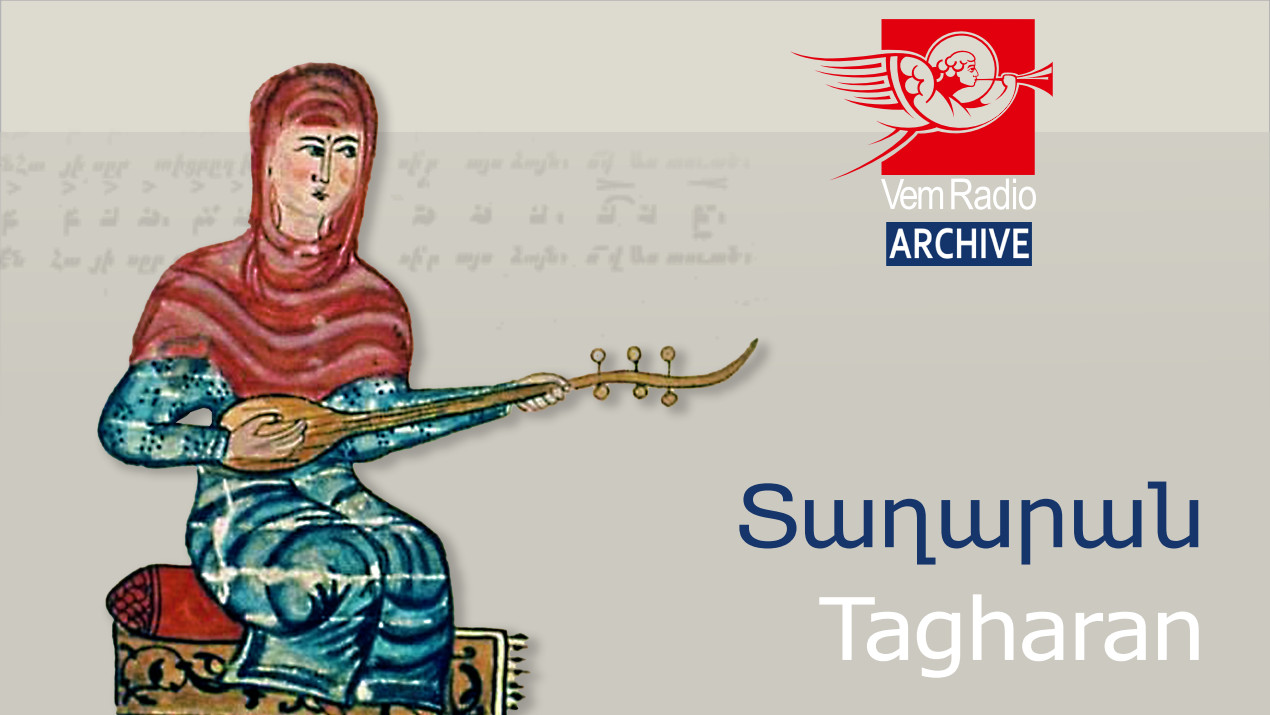
The Tagharan program is dedicated to the spiritual and folk branches of Armenian music. At the heart of the creation of the program is the idea of kinship of these two branches, which was first scientifically dealt with by Komitas.
The first encounter of each of us with good and evil begins from tales for children. Good wins, because it is God-given. Tales teach us to love, appreciate beauty, fight for justice, and empathize.